Andrew Kibe Calls for an End to Circumcision Culture in Kenya
-
admin
- December 8, 2025
- Celebrities
- 3
- 3 minute read
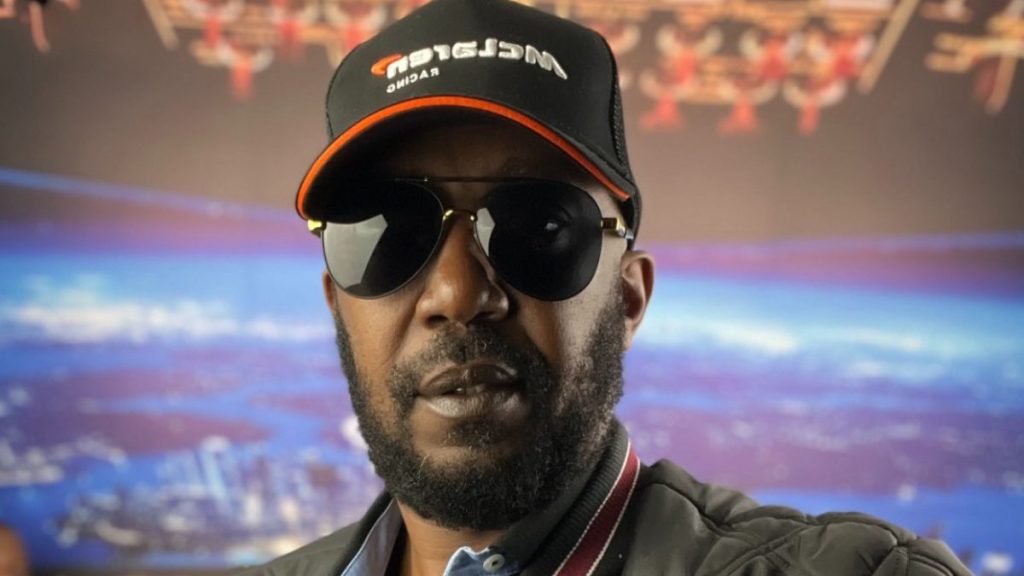
Andrew Kibe has sparked intense national debate after urging Kenyan parents to stop circumcising their sons. Speaking during a conversation with radio host Jacquey Nyaminde, also known as Wibroda, he described the long-standing cultural practice as outdated and unnecessary. Kibe stated that its original meaning has faded and that modern society no longer supports the claims that once justified it. He said, “I find circumcision as an outdated practice. I think we should stop circumcising our kids right now. There is no meaning behind it anymore, there is no reason, and it has been debunked, and it has no benefits.”
Kibe’s argument focused on the shift from traditional beliefs to a society influenced by modern norms, commercial interests, and new parenting pressures. He reflected on past explanations surrounding circumcision and challenged their accuracy. “Unajua zamani walikuja wakatudanganya unajua ku circumcise inasaidia hiyo ni uwongo, it was a lie,” he said. His remarks questioned the long-standing social and health justifications that many families have relied on for decades.
Why is Kibe questioning the cultural value of circumcision today?
During the discussion, Kibe expressed concern about how modern society guides parenting decisions. He claimed that many parents still follow the practice because of social pressure instead of personal choice. According to him, parents are influenced by narratives that frame circumcision as a necessary transition or a product of modern parenting trends. He said, “There is no reason to circumcise your boys, but society is adjusting to the single woman, the single mother; society is now selling products, and circumcision is one of the products.”
He revealed that he does not plan to circumcise his own son and emphasized the decision as a personal stand against societal expectations. Kibe also commented on how some mothers are encouraged to agree to the procedure after being reassured about the use of anaesthesia. As he explained, “As a man am not going to take my son to that kind of process, but as a woman, you will kwanza umeambiwa kuna international and local anaesthesia anadungwa sindano ndio asisikie uchungu.”

How are cultural leaders responding to the evolving circumcision debate?
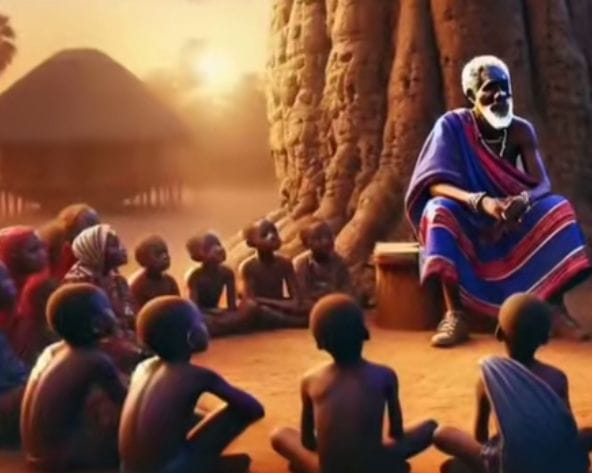
The conversation around circumcision extends far beyond Kibe’s remarks. As Kenya continues to negotiate the balance between tradition and modernity, the topic has become a point of tension between cultural elders and religious leaders. On Thursday, November 13, 2025, Kiambu County’s Kiama Kia Ma chairman, Elder Shamte Munyua, reaffirmed the group’s stance on keeping the practice within cultural spaces. He said, “We have said it before, and we are repeating it: churches should stick to their lane, that of spreading the gospel, and leave the circumcision of boys to the elders.”
This statement reflects broader disagreements between traditional institutions and the church. Elders argue that circumcision rites help maintain cultural identity and discipline. Church leaders, on the other hand, often advocate for faith-based guidance that aligns children with contemporary values and spiritual teachings.
The debate now sits at the intersection of culture, religion, parenting, and modern identity. Kibe’s comments have encouraged renewed discussion among young adults, especially those reconsidering long-standing cultural expectations. As Kenyan society continues to evolve, conversations like these will shape how future generations interpret tradition, autonomy, and the rights of children in a rapidly changing world.
By Risper Akinyi