Ruto Shifts Kenya’s Road to Singapore With New First-World Timelines
 admin
admin 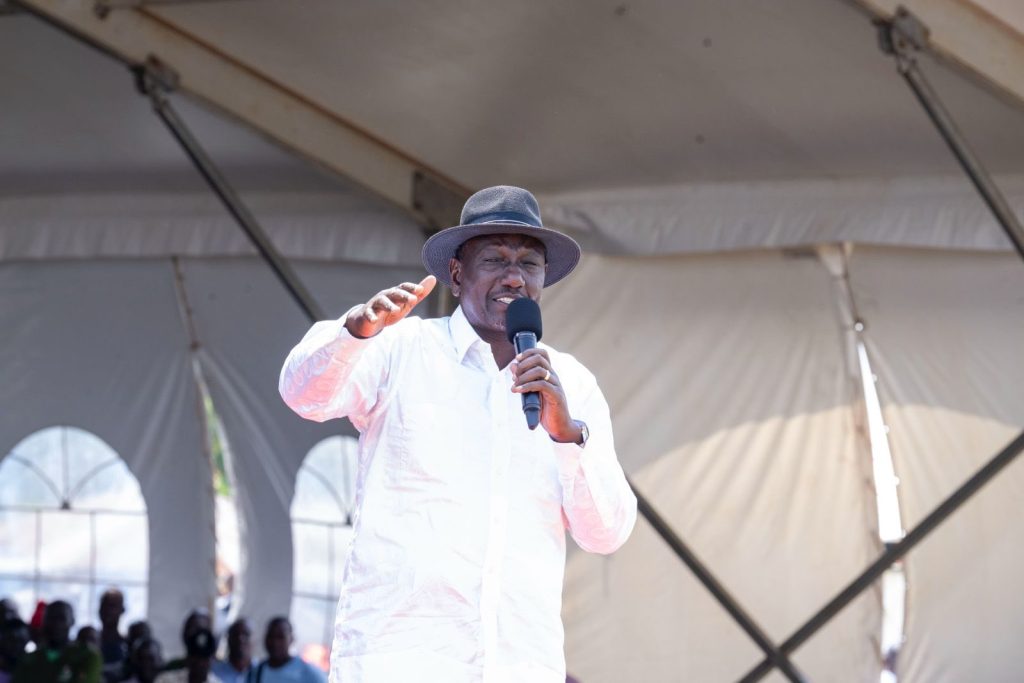
In just about two months, the timelines of President William Ruto’s plan to move Kenya from a third-world economy to first-world status have shifted three times, reflecting an evolving vision tied to ambition, political messaging, and changing economic priorities. The latest position, announced in mid-December, places Kenya halfway through this transformation by next year, a significant acceleration from earlier projections.
The journey, popularly referred to as the Ksh.5 trillion road to Singapore, has also seen changes in both structure and scope. What began as a long-term development ambition anchored on multiple economic pillars has gradually been reframed into a faster, more compact national push. Each revision has drawn public attention, debate, and scrutiny, particularly among young Kenyans who are directly affected by employment prospects, infrastructure expansion, and economic stability.
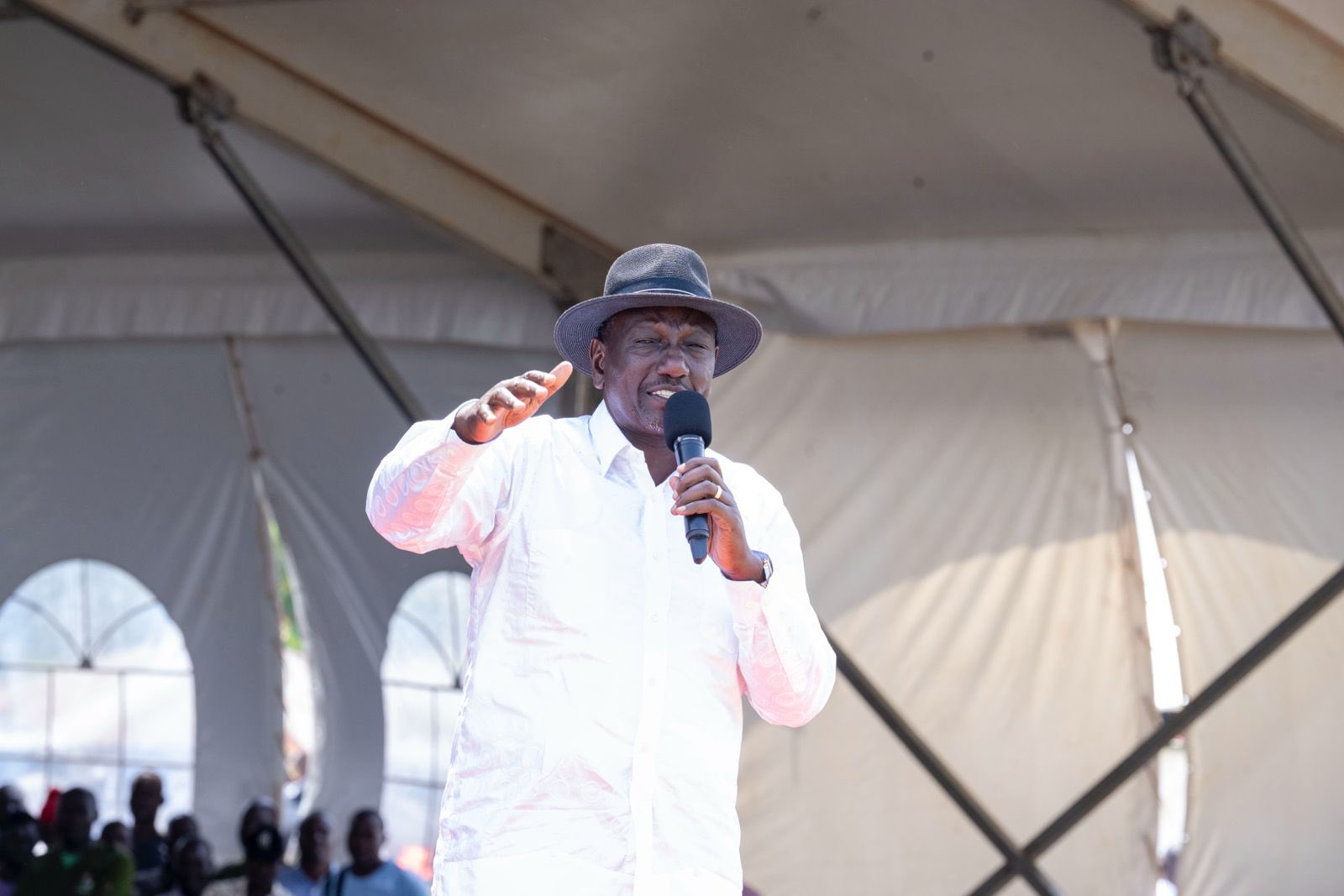
While attending the Tobong’u Lore celebrations in Turkana on Tuesday, President Ruto stated that the plan was already in motion and progressing faster than critics anticipated.
“Nataka niseme nikiwa hapa Turkana, hiyo plan ya 5 trillion tumeanza jana by next year we will be halfway. Nyinyi mnanielewa? Wengine wanasema haiwezekani,” said Ruto on December 16, 2025.
He used the moment to directly challenge those who have dismissed the initiative as unrealistic, linking past infrastructure skepticism to present achievements.
“Mimi najua inawezekana. Si walituambia hii barabara ya kutoka Kitale haitafanyika? Si hiyo barabara tumejenga? Ni kweli ama si kweli?” Ruto posed.
His remarks framed the journey as one built on precedent, arguing that earlier doubts around major projects had already been proven wrong through completed roads and visible development.
How have Ruto’s first-world timelines changed over time?
The most recent timeline contrasts sharply with earlier statements made just weeks and months before. About a month ago, during his State of the Nation Address to Parliament on November 20, 2025, President Ruto outlined a more measured approach. At the time, he stated that the four pillars anchoring his economic empowerment agenda would take a decade to fully implement.
“To scale up our transport and logistics programme, the Ministry of Roads and Transport has already mapped out a comprehensive network of 2,500 highways for dualling and 28,000km of roads to be tarmacked in the next 10 years,” the President said on November 20, 2025.
This projection positioned Kenya’s transformation as a medium-term process driven largely by infrastructure expansion and logistics efficiency. However, this was already a shorter horizon than the one he had previously shared.
Two months earlier, on October 12, 2025, President Ruto placed the goal much further into the future, outlining a 30-year path toward first-world status.
“We want to move this country from a third-world country to a first-world country by the next 30 years, which is by 2055,” he said.
These shifting timelines illustrate how the administration’s messaging has evolved rapidly within a short period, moving from a generational vision to a decade-long plan, and now to a near-term milestone of being halfway there by next year.
What pillars are driving the Ksh.5 trillion journey?
Alongside the changing timelines, President Ruto has also revised the structure of the plan itself. Initially anchored on four key pillars, the strategy was later reduced to three during his address to the nation at the 62nd Jamhuri Day celebrations. While the core focus on infrastructure, economic empowerment, and national productivity remains, the consolidation signals an effort to streamline priorities and accelerate delivery.
The repeated revisions have kept the road to Singapore firmly in public discourse, especially among younger citizens assessing how these promises translate into jobs, improved transport, and economic opportunity. As the timelines continue to shift, attention now turns to whether implementation will keep pace with the President’s increasingly ambitious projections.