Wiz Khalifa Sentenced to Nine Months in Romania for Smoking Cannabis on stage
-
admin
- December 19, 2025
- Entertainment
- 0
- 4 minute read
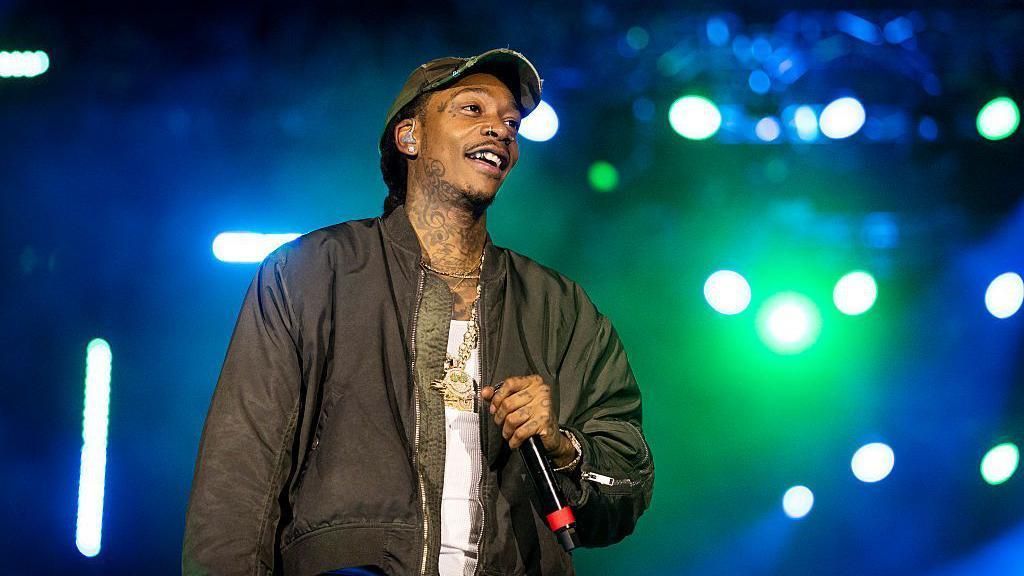
A Romanian court has sentenced Wiz Khalifa to nine months in prison after finding him guilty of smoking cannabis on stage during a music festival appearance. The ruling follows an appeal that overturned an earlier financial penalty and replaced it with a custodial sentence, escalating the legal consequences for the American rapper.
Wiz Khalifa, whose real name is Thomaz Cameron Jibril, admitted to smoking a joint during his performance at the Beach, Please! festival in Costinesti in July 2024. Romanian authorities confirmed that he was briefly held and questioned by police after the concert before being released. Prosecutors later charged him with possession of what Romanian law defines as “risk drugs” for personal use.
Investigators stated that Jibril was found with more than 18 grams of cannabis and consumed an additional amount while on stage in front of festivalgoers. The case initially resulted in a fine of 3,600 Romanian lei. That decision was later overturned by the Constanța Court of Appeal, which ruled that the offense warranted a prison sentence instead.
The court sentenced Wiz Khalifa in absentia. Despite the ruling, the artist has continued with his public appearances. Earlier this week, he was seen performing on stage with Gunna in California. On Thursday, he also shared photos and video clips from his home on Twitch and other social media platforms. The BBC has approached the ten-time Grammy-nominated artist for comment.
Why did the Romanian court replace a fine with a prison sentence?
In its written decision, the Constanța Court of Appeal explained that the original fine was insufficient given the public nature of the incident. Judges said the rapper’s actions sent “a message of normalisation of illegal conduct” and encouraged “drug use among young people”.
Calling the incident an “ostentatious act”, the judges emphasized Wiz Khalifa’s visibility and influence as a performer.
They described him as “a music performer, on the stage of a music festival well known among young people” who “possessed and consumed, in front of a large audience predominantly made up of very young people, an artisanal cigarette”.
The ruling reflects Romania’s strict stance on public drug use, particularly when it occurs in settings associated with youth culture. Under Romanian law, cannabis remains illegal, and public consumption can attract serious penalties regardless of the offender’s profile or nationality.
A day after the incident in 2024, Jibril addressed the situation in a post on X, stating that he did not intend to offend the country.
“They [the authorities] were very respectful and let me go. I’ll be back soon. But without a big ass joint next time.”
Will Wiz Khalifa actually serve the nine-month sentence?
Legal experts have cast doubt on whether the sentence will ever be enforced. Romanian criminologist Vlad Zaha told BBC News that extradition is highly unlikely.
“Given the defendant’s wealth and connections, Romania’s lack of real negotiating power on extradition, and the legal and political status of cannabis in the US, it is highly unlikely that Wiz Khalifa will be sent to serve a prison sentence in Constanța, even though a formal judicial request will be submitted to the United States,” Mr Zaha said.
Zaha also described the sentence as “unusually harsh”, particularly when viewed against international trends toward decriminalisation or legalisation of cannabis.
Wiz Khalifa’s public image has long been closely associated with marijuana culture. The artist, known globally for hits such as Black and Yellow, See You Again, and Young, Wild & Free, frequently posts images of himself smoking on social media. In 2016, he also founded his own marijuana brand.
While cannabis is legal for recreational and medical use in several US states, it remains illegal under US federal law and is strictly prohibited in Romania. The case highlights the risks artists face when performing internationally, where local laws can sharply differ from cultural norms at home.
By Risper Akinyi