AFCON Moves to Four-Year Cycle as CAF Reshapes African Football Calendar
 admin
admin 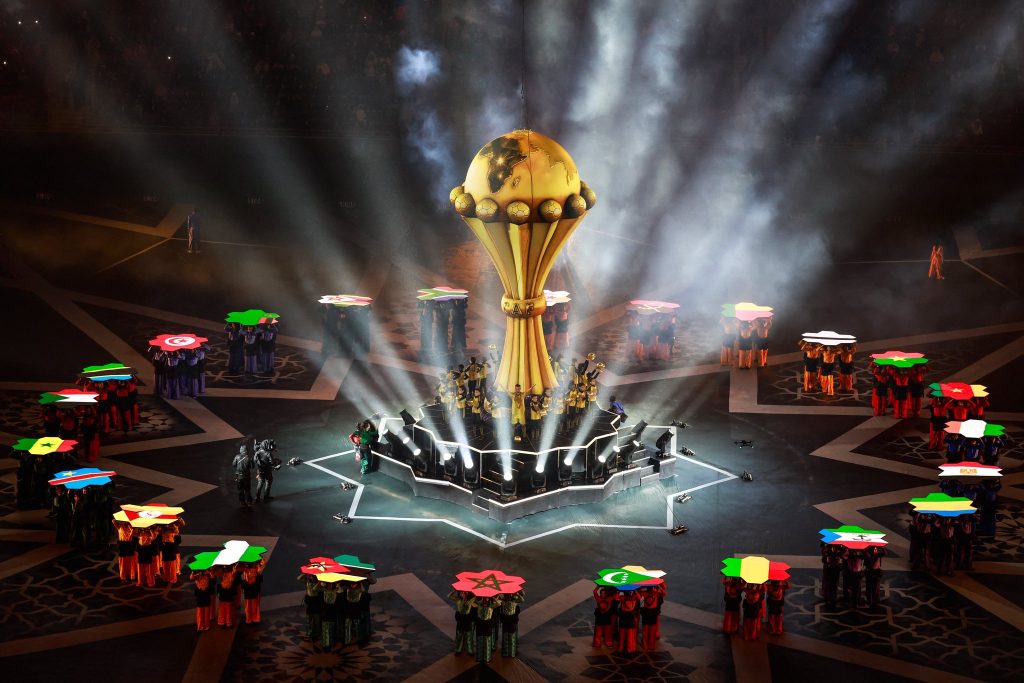
The Africa Cup of Nations will be staged every four years after an edition planned for 2028, marking a major shift from the tournament’s long-standing two-year cycle. The announcement was made by Confederation of African Football president Patrice Motsepe, who said the change is part of a wider restructuring aimed at aligning African football with an increasingly congested global calendar.
For decades, a biennial AFCON has been a key source of income for African national associations. However, CAF believes the introduction of a new annual African Nations League will help offset that loss while creating more competitive opportunities. Motsepe confirmed that the 2027 AFCON will be hosted by Tanzania, Kenya, and Uganda, before a separate edition follows in 2028.
“Our focus now is on this AFCON but in 2027 we will be going to Tanzania, Kenya and Uganda, and the AFCON after that will be in 2028,” Motsepe said. He added that CAF will open a bidding process for countries interested in hosting the 2028 tournament.
“Then after the FIFA Club World Cup in 2029 we will have the first African Nations League… with more prize money, more resources, more competition. As part of this arrangement, the AFCON now will take place once every four years.”
Why is AFCON moving away from a two-year schedule?
Since its first edition in 1957, the Cup of Nations has mostly been held every two years. In recent years, however, fitting the tournament into the international football calendar has become increasingly difficult. Over the past 15 years, CAF has struggled to balance weather conditions, club demands, and FIFA competitions.
The 2019 AFCON in Egypt was moved to June and July to reduce disruption to European club seasons. That shift was reversed for the 2022 tournament in Cameroon and the 2024 edition in Ivory Coast, which returned to January and February due to local climate concerns. The current Morocco hosted AFCON is already the eighth edition since 2012, highlighting how compressed the schedule has become.
This year’s tournament was initially planned for June and July but had to be rescheduled because of FIFA’s expanded Club World Cup in the United States. CAF also faced limitations linked to the 2026 World Cup and changes to the UEFA Champions League format, which removed January and February as viable windows.
As a result, CAF settled on a December to January slot, a period when some European leagues pause, although others such as the Premier League remain active. According to Motsepe, these pressures made long term change unavoidable.
How will the African Nations League work and what changes for players?
Motsepe said the restructuring is meant “to make sure the football calendar worldwide is more in harmony”. He added, “Of course our primary duty is to African football but we also have a duty to the players from Africa playing for the best clubs in Europe.”
The new African Nations League will be held annually and begin in a regional format. Sixteen teams will compete in each of the east, west, and central southern zones, while the northern zone will feature six teams. Matches will be played in September and October, with the strongest teams advancing to finals held in one host location in November.
“We want to make sure that there is more synchronisation and that the global calendar allows the best African players every year to be in Africa,” Motsepe said.
CAF also confirmed an increase in prize money for the current AFCON in Morocco. The tournament winners will now receive $10 million, up from $7 million awarded at the 2024 edition in Ivory Coast. The changes signal a new era for African football, one focused on sustainability, player welfare, and stronger global alignment.
By Yockshard Enyendi