Seven Kenyans Arrested and Deported After Raid on US Refugee Center in South Africa
-
admin
- December 18, 2025
- LATEST NEWS
- 2
- 4 minute read
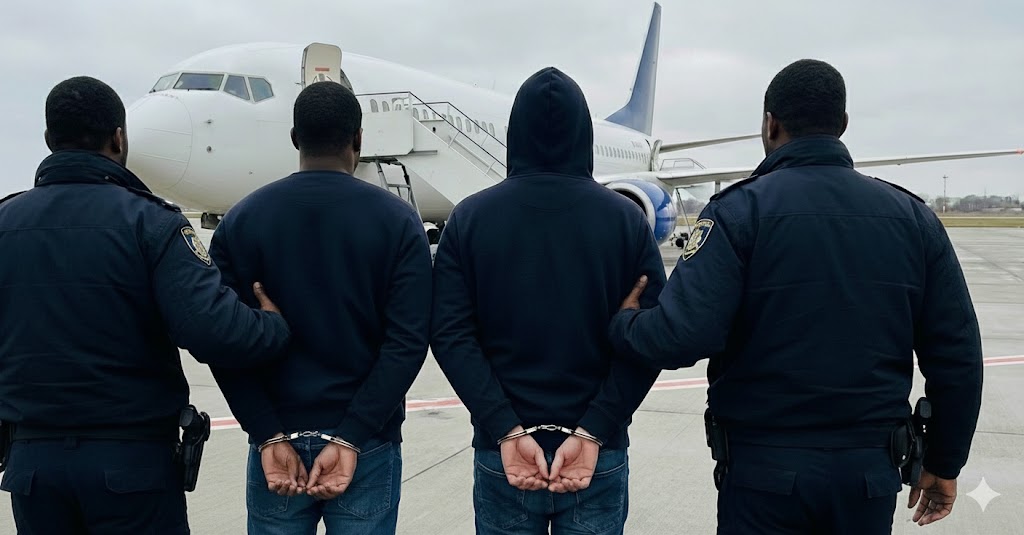
South African immigration authorities have arrested seven Kenyan nationals and issued them with deportation orders following a raid on a United States refugee processing center in Johannesburg. The Home Affairs Ministry confirmed the operation on Wednesday, saying the Kenyans were working illegally at the facility. The incident has triggered diplomatic tension after the United States strongly criticized the action and called it “unacceptable.”
The raid took place on Tuesday at a center that processes refugee applications for white South Africans who have been prioritized for resettlement in the United States under the Trump administration. The move comes at a time when relations between Washington and Pretoria have sharply deteriorated since President Donald Trump returned to office. The refugee program itself has been controversial, with South Africa rejecting claims that members of the Afrikaner white minority are facing persecution.
According to the Home Affairs Ministry, the seven Kenyans were in South Africa on tourist visas that did not permit them to work. Officials added that the involvement of U.S. authorities with individuals lacking proper work authorization “raises serious questions about intent and diplomatic protocol.” The ministry said it was not immediately clear whether U.S. officials were aware of the Kenyans’ visa status.
No U.S. officials were arrested during the raid, and South African authorities stressed that the site did not hold diplomatic status. The Foreign Ministry has since initiated “formal diplomatic engagements with both the United States and Kenya to resolve this matter,” signaling an effort to manage the fallout through official channels.
Why were Kenyans working at a US refugee processing center?
The U.S. Embassy had previously confirmed that the American government contracted a Kenya-based company, RSC Africa, to process refugee applications from white South Africans. RSC Africa is operated by Church World Service, a U.S.-based nongovernmental organization involved in refugee assistance and the U.S. Refugee Admissions Program.
South Africa’s Home Affairs Ministry stated that the Kenyans were employed at the center “even though earlier visa applications for Kenyan nationals to perform this work had been lawfully declined.” As a result, the seven individuals were issued deportation orders and barred from reentering South Africa for five years.
The U.S. State Department responded sharply. Spokesperson Tommy Pigott said, “interfering in our refugee operations is unacceptable,” adding that the United States was seeking “immediate clarification from the South African government and expect full cooperation and accountability.”
How does this incident reflect broader US South Africa tensions?
The raid is the latest flashpoint in a rapidly worsening relationship between the two countries. President Trump has repeatedly accused South Africa of persecuting Afrikaners, alleging without evidence that they are being killed and having their land seized. South Africa has firmly rejected these claims, describing them as misinformation, and has said white South Africans do not qualify for refugee status because there is no persecution, while maintaining it would not block applications.
Tensions have also spilled into global diplomacy. The United States boycotted last month’s G20 leaders summit hosted by South Africa, and Trump has said South Africa will be excluded from the group when the U.S. hosts the summit next year. In February, he issued an executive order halting U.S. aid and assistance to South Africa over what his administration described as its “egregious actions.”
In October, the Trump administration dramatically reduced the U.S. refugee intake quota to 7,500 from 125,000, with white South Africans expected to receive most of the available slots. A first group arrived in the United States in May, though the total number relocated since remains unclear.
As diplomatic engagements continue, the deportation of the seven Kenyans has become a symbol of deeper disagreements over immigration policy, refugee protection, and international relations between South Africa and the United States.
By Lucky Anyanje