Avril, Wanjiku Stephens Disagree Over Government Music Royalties Plan
-
admin
- December 22, 2025
- Celebrities
- 2
- 4 minute read

Singer Avril has sparked debate within Kenya’s creative industry after publicly supporting a new government backed music royalties framework, a move that drew sharp criticism from fellow creative Wanjiku Stephens. The exchange has reopened long standing conversations about transparency, trust, and whether the government should play any role in fixing the music royalties system.
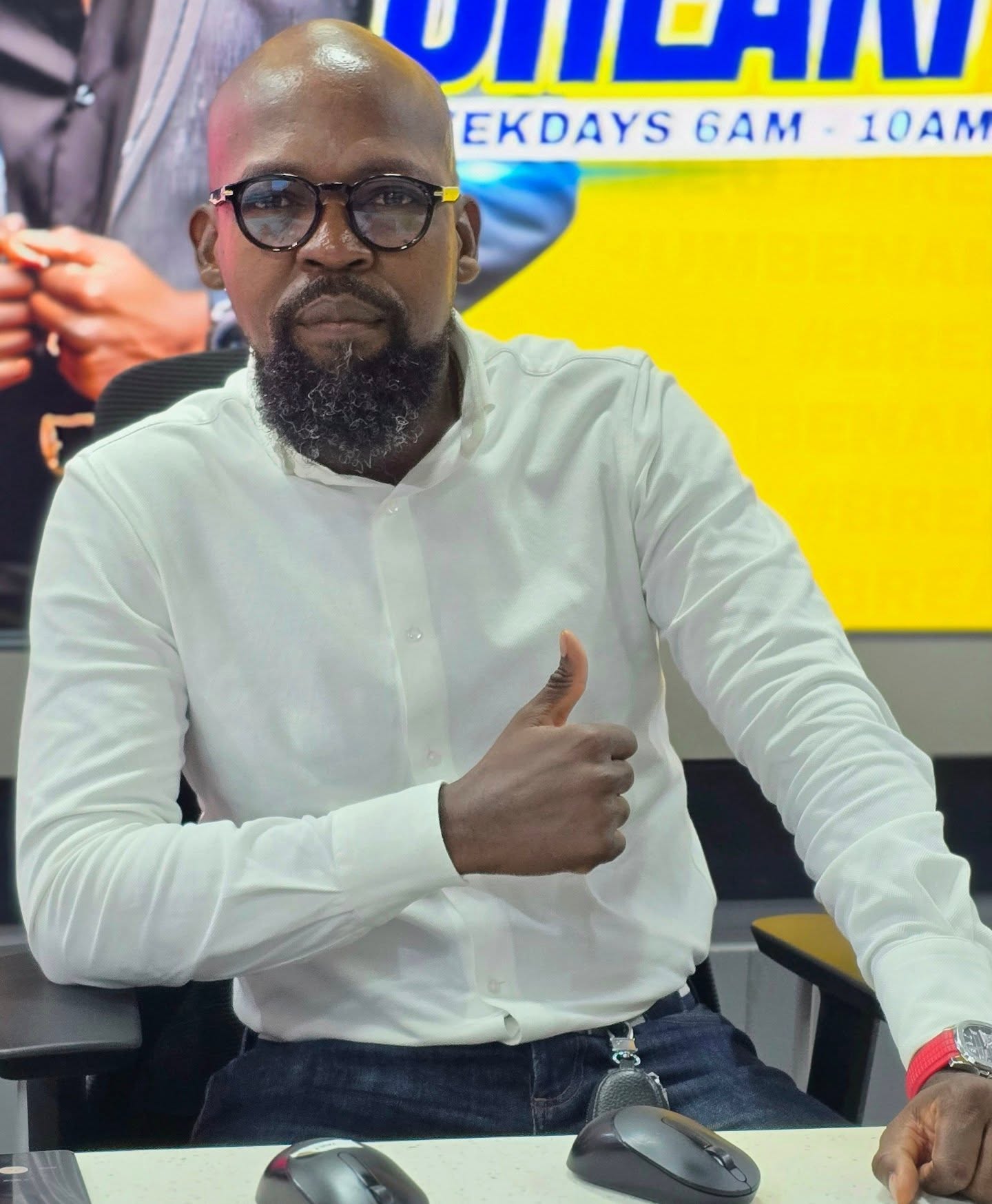
The discussion began after Avril shared a photo from a meeting with Head of Presidential Special Projects and Creative Economy Coordination Dennis Itumbi, where artists and stakeholders were briefed on a new royalties system set to be rolled out through eCitizen. Avril described the meeting as a rare opportunity for musicians to finally be included in conversations that directly affect their livelihoods.
“Humbled that I was invited alongside fellow artists and industry stakeholders to listen and understand the new music royalties framework being rolled out through ECitizen,” Avril said. She explained that the proposed system prioritises visibility and accountability, areas she believes have been missing for years. “There’s a renewed focus on transparency and ensuring artists can see how royalties are collected and shared, something I’ve been loud about, something we’ve long talked about! Finally happening!”
Avril also expressed optimism about what the changes could mean for artists who have struggled to earn from their work. “Grateful for the space to be heard and hopeful about what this could mean for every Kenyan musician moving forward. Thank you for engaging with us, Sir,” she added.
Can the government fix Kenya’s music royalties problem?
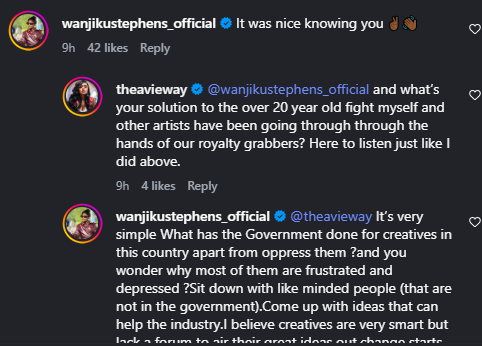
Wanjiku Stephens strongly disagreed with Avril’s position and questioned the value of government involvement in creative industry issues. Her brief but pointed response signalled a deeper mistrust rooted in past experiences. “It was nice knowing you,” Wanjiku wrote, igniting a public back and forth between the two.
Avril pushed back by asking for practical alternatives, pointing to the long and unresolved battle artists have faced when it comes to royalties. “And what’s your solution to the over 20-year-old fight myself and other artists have been going through at the hands of our royalty grabbers? Here to listen just like I did above,” she said.
Wanjiku responded by outlining her stance more clearly, arguing that creatives have little reason to believe the government can deliver meaningful change. “It’s very simple. What has the Government done for creatives in this country apart from oppressing them? And you wonder why most of them are frustrated and depressed ?” she said.
Her argument centres on independence and self-organisation within the creative community. According to Wanjiku, relying on state structures risks repeating the same failures that have left artists disillusioned for years.
What alternatives do creatives have outside government systems?
Wanjiku encouraged artists to take ownership of their industry by working together outside government platforms. “Sit down with like-minded people (that are not in the government). Come up with ideas that can help the industry,” she added. She believes creatives already have the capacity to improve their situation if they focus on collaboration, shared ideas, and collective action.
The exchange highlights a clear divide within Kenya’s creative space. On one side are artists like Avril who see potential in engagement, transparency, and structured reform, even when driven by government systems. On the other are creatives like Wanjiku who view state involvement with deep scepticism, shaped by years of unmet promises and systemic frustration.
As the new royalties framework moves closer to implementation, the debate reflects broader questions about trust, accountability, and who should lead reform in the creative economy. Whether the solution lies in government systems, independent organisation, or a balance of both, the conversation has once again placed artists’ earnings and rights at the centre of national attention.
By Risper Akinyi