Did We Build Diddy Too Big to Fall?
-
Shadrack Oguta
- August 1, 2025
- Entertainment
- 171
- 3 minute read
For years, Sean “Diddy” Combs wasn’t just a hip-hop mogul, he was the mogul. A billionaire boy from Harlem, a symbol of Black excellence, a self-made icon with a wardrobe of platinum plaques, vodka brands, reality shows, and boardroom deals. We watched him rise, and we clapped. Loudly. We quoted his hustle. We studied his swagger. We called him “Love.”
And when the abuse allegations started stacking, many of us did what the world always does with powerful men: we hesitated.
Then came the video, chilling, violent, and undeniable. And still, the silence was louder than outrage. It was as if we had all made a quiet pact: this man gave us hits, wealth, inspiration… surely he couldn’t be that bad.
But now we must ask ourselves the question we’ve been dodging: Did we build Diddy too big to fall?
Because Diddy didn’t become untouchable overnight. He became untouchable because we, the fans, the media, the brands, the industry, helped him build a fortress out of influence. We turned his story into gospel. We made his image sacred. Even when whispers grew into lawsuits, when former employees hinted at darkness behind the gloss, we celebrated the mogul, not the mess. And in doing so, we created a cultural machine too profitable to pause and too powerful to question.
Diddy wasn’t just protected by NDAs or lawyers, he was shielded by reputation, by brand value, by nostalgia. The kind that makes you uncomfortable to confront the truth because the soundtrack of your teenage years has his name all over it.
And when allegations became headlines, and headlines became damning, we were still unsure. Why? Because he represented something larger than himself: the possibility that a Black man could own everything, control everything, survive everything. But the cost of that dream, it turns out, was silence. Especially the silence of women.
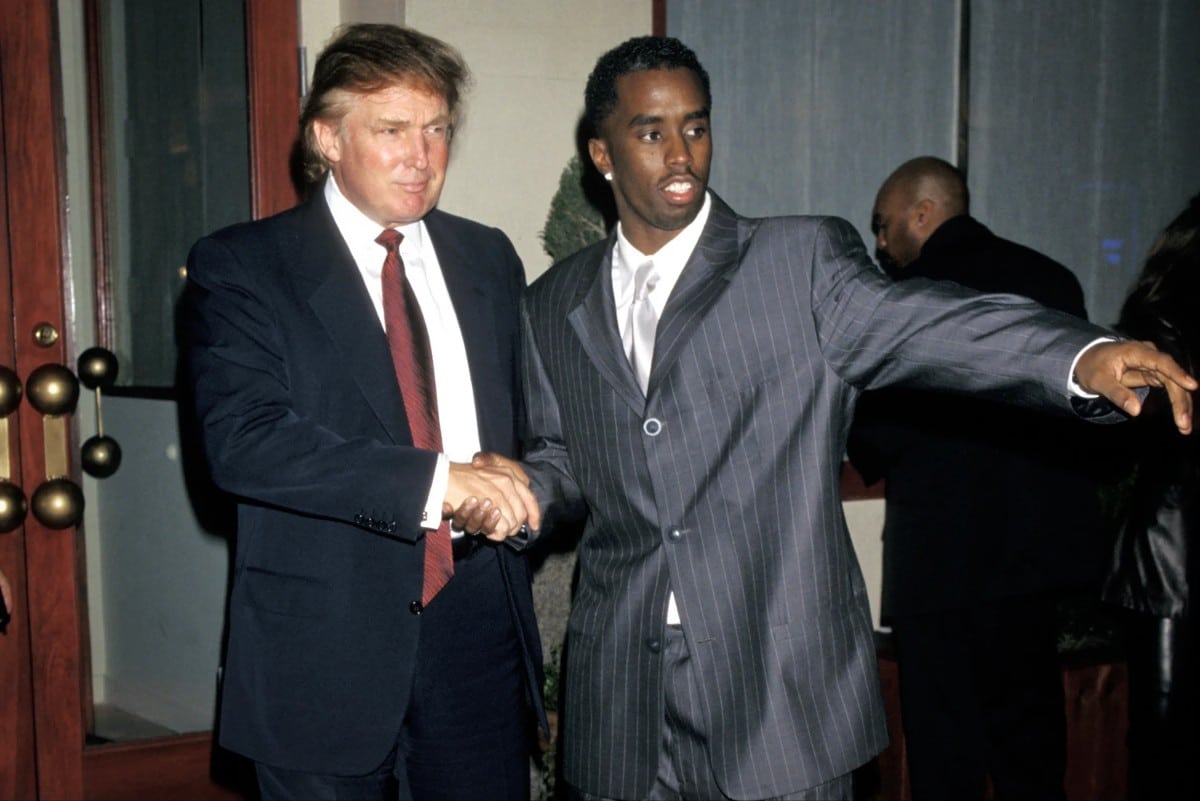
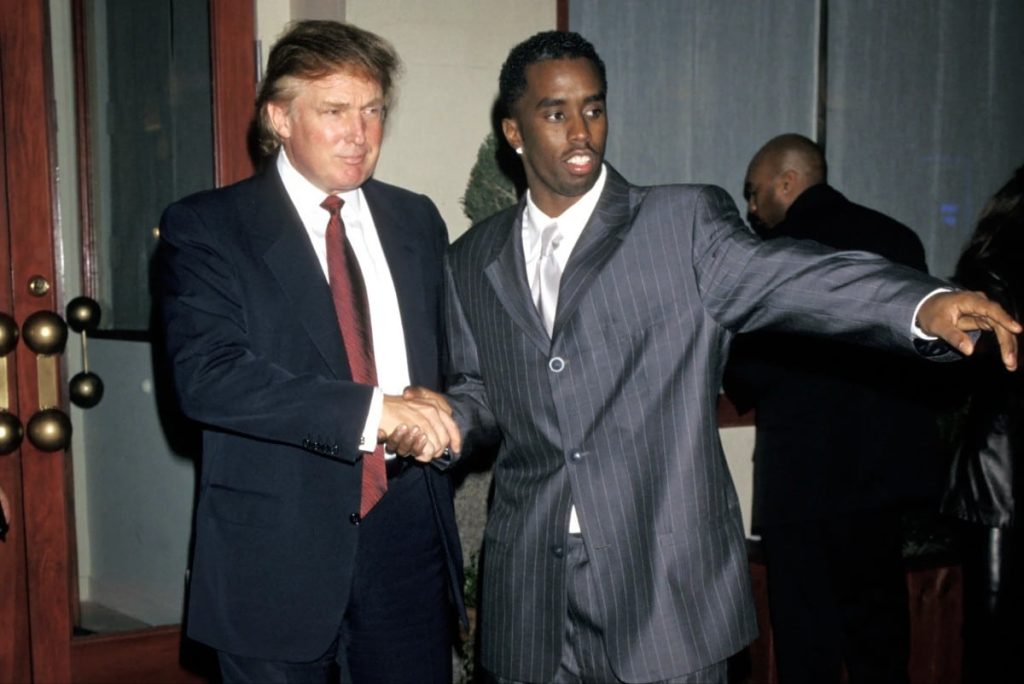
Now, reports suggest that Diddy may have received a secret pardon from Donald Trump in the capacity of his presidency. The man accused of violently abusing women, allegedly protected by the same president who was himself found liable for sexual abuse and bragged about it on tape. If true, it’s not just injustice, it’s a grotesque display of how power circles back to protect itself.
So again, we ask: who built this shield? And how long are we going to pretend that the machine didn’t rely on all of us, fans who still stream his songs, outlets that soften headlines, collaborators who say “no comment,” and brands that quietly wait for the smoke to clear?
This is not just about one man. This is about the system that lets men like him thrive, unbothered, for decades, until undeniable video evidence forces our collective hand. This is about how fame is often a more effective legal strategy than innocence. It’s about how money buys silence, then turns that silence into luxury.
The Diddy empire was never just built on music. It was built on charm, mythology, business acumen, and an industry allergic to holding its icons accountable. The fall didn’t come because the system worked. It came because there was finally proof we couldn’t unsee.
We are now in an era where survivors are fighting not just for justice, but to be believed in a world where celebrities are curated, monetized, and branded as gods. And if we’re not ready to tear down the altars we’ve built around them, we might as well admit it: some stars are still too big to fall.